Short answer: Water-resistant bags handle light rain with a coated fabric, while waterproof bags keep water out under submersion or heavy rain through lamination and sealed seams — our factory builds both, from 50 pcs MOQ, with 7-day sampling and 30–45 day bulk lead time.
What Is the Difference Between Water-Resistant and Waterproof?
The words are used interchangeably in listings, but they mean different performance levels. A water-resistant bag uses a coated fabric — usually PU or TPU on the outer face — that sheds light rain and splashes for a short time. A waterproof bag adds a laminated membrane and sealed or welded seams, so water cannot enter through the fabric or through the stitch holes. For a commuter backpack caught in a ten-minute shower, water resistance is enough. For a dry bag, a bike pannier or a pet carrier that sits outside, you need the waterproof construction.
This distinction matters at the buying stage because the two constructions have different costs, weights and lead times. Coating is applied to the finished fabric on a standard line. Lamination and seam sealing add process steps and stricter quality checks, which is why waterproof bags sit at a higher price point and need a little more development time at sampling.
What Coatings Are Used on Bag Fabrics?
PU (polyurethane) coating is the most common: it is flexible, affordable and gives a smooth feel, and it is what most 600D school bags and commuter backpacks use. TPU (thermoplastic polyurethane) coating is tougher and more elastic, preferred for outdoor and technical bags. PVC coating is the most waterproof of the three but heavier and less environmentally friendly, so we use it mainly for industrial and heavy-duty products rather than consumer bags.
| Coating | Water performance | Feel | Typical use |
|---|---|---|---|
| PU | Light rain, splash | Smooth, flexible | School bags, backpacks, totes |
| TPU | Heavy rain, longer exposure | Rubbery, elastic | Outdoor bags, tech cases |
| PVC | Near waterproof | Heavy, stiff | Industrial, heavy duty |
Coating weight is measured in water column — the height of water a fabric can hold before leaking. A 600 mm rating handles light rain; 1,000 mm handles a real downpour; 5,000 mm and above is where we start calling the bag waterproof. When you spec a bag, write the water column value, not just the word “coated”.
What Is Seam Sealing and When Do You Need It?
Coating protects the fabric, but every seam has needle holes, and water finds them. Seam sealing closes those holes in two ways: tape sealing, where a waterproof tape is ironed or welded over the seam on the inside, and welded seams, where panels are joined by heat instead of stitching. Taped seams are standard for waterproof backpacks and dry bags; welded seams are used when a product must hold water with zero leakage.
You need seam sealing when the product promise is “keep contents dry”: laptop bags for cycling commuters, pet carriers for outdoor use, or any bag marketed as rainproof. If the product only needs to shrug off a drizzle, tape adds cost and stiffness without a visible benefit. Our recommendation at the sampling stage: decide the water promise first, then choose coating plus seam treatment to match it.
How Do Factories Test Water Resistance?
Three tests matter. The water column test presses water against a fabric sample and records the height in millimeters before three droplets appear. The spray test (AATCC 22 style) sprays a standard volume of water and grades the beading on the surface. The shower test is the practical one: a finished bag is packed, sprayed for several minutes, and checked for water inside the main compartment and the zippers.
Zippers are the weak point of any “waterproof” bag. A coated shell with a standard zipper leaks through the teeth, so truly waterproof bags use waterproof zippers or a covered zip flap. Ask the factory which zipper is planned for a waterproof product before sampling — upgrading from a standard to a waterproof zipper changes both the cost and the lead time.
Which Level Do You Need for Your Product?
Match the construction to the real use. Commuter backpacks and school bags: PU-coated 600D shell, no seam sealing needed, water column around 600–1,000 mm. Laptop bags that protect expensive electronics from cycling rain: PU or TPU coating plus taped seams and a covered zip. Outdoor backpacks, dry bags and pet carriers exposed to the elements: laminated membrane, sealed seams and waterproof zippers, water column 5,000 mm or higher.
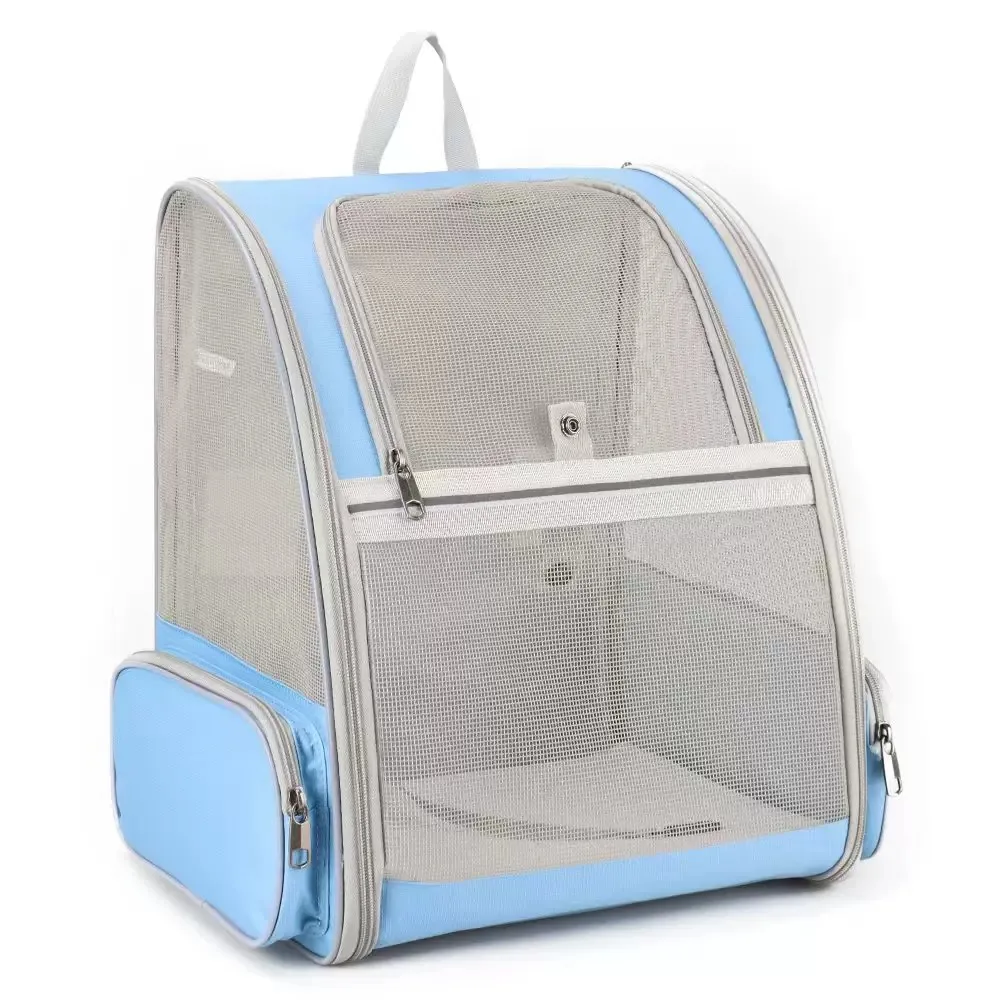
We build each level across our laptop bag range, backpacks and waterproof pet carrier backpacks. For shell material comparisons, read polyester vs nylon vs PU leather vs canvas.
What Waterproofing Mistakes Do Importers Make?
Four mistakes show up again and again. First, marketing a coated bag as “waterproof” — the coating sheds rain, but the zipper and seams leak, and the customer finds out in the first storm, which becomes a return and a bad review. Second, skipping the zipper spec: a waterproof shell with a standard zipper is not a waterproof bag, and the zipper upgrade should be decided at sampling, not after the bulk order is cut. Third, ignoring the coating tolerance: a “600D PU coated” fabric can mean anything from a light cosmetic coat to a real 1,000 mm membrane, so the water column value must be on the work sheet. Fourth, testing only the fabric and not the finished bag — the seams and zipper tape are where leakage actually happens.
These mistakes are cheap to avoid at the specification stage. Put the water column value, the zipper type and the seam treatment into the spec sheet, and ask for a finished-bag shower test on the sample. That is a standard part of our sampling service: we spray the packed sample for several minutes and send you the video, so the waterproof claim is verified before you commit to a container.
How Does Waterproofing Affect Cost and MOQ?
Waterproof construction adds a small cost per piece — coating and lamination materials, seam tape, and waterproof zippers where required — but it does not change the MOQ. Our MOQ stays from 50 pcs for custom styles whether you choose a coated commuter backpack or a laminated dry bag. What changes is the sampling detail: a laminated product needs one extra round of seam sealing verification, which is why we recommend ordering the sample two weeks before your planned bulk order rather than one.
Lead time for bulk stays at 30–45 days. Laminated and seam-sealed products sometimes take the upper end of that range because the sealing process is slower than plain stitching, so if you are planning a waterproof line for a fixed launch date, tell us at the quotation stage and we will schedule the production slot accordingly.
Frequently Asked Questions
Q: What is the MOQ for waterproof bags?
A: MOQ is from 50 pcs; waterproof construction (lamination, sealed seams) does not raise the minimum order.
Q: How long does a waterproof bag sample take?
A: Sampling takes 7 days, with a water spray test video sent before shipment.
Q: Can you use my branded zipper or a waterproof zipper?
A: Yes — standard and waterproof zippers are both available; we will confirm the option in the sample.
Q: What water column rating do you recommend?
A: 600–1,000 mm for commuter rain protection; 5,000 mm and above for true waterproof products.
Q: What are your bulk lead times?
A: 30–45 days after sample approval; the factory has been operating since 2003 with BSCI and ISO 9001 certification.
Request a Quote with your water-resistance requirement today — see our OEM/ODM services and get a free sample from our 2,600 m² factory.
Need Custom OEM/ODM Bags?
BATELI — BSCI & ISO 9001 certified bag manufacturer since 2003. MOQ from 50 pieces, 7-day sampling, 30-45 day lead times. Custom materials, logos, and packaging available.